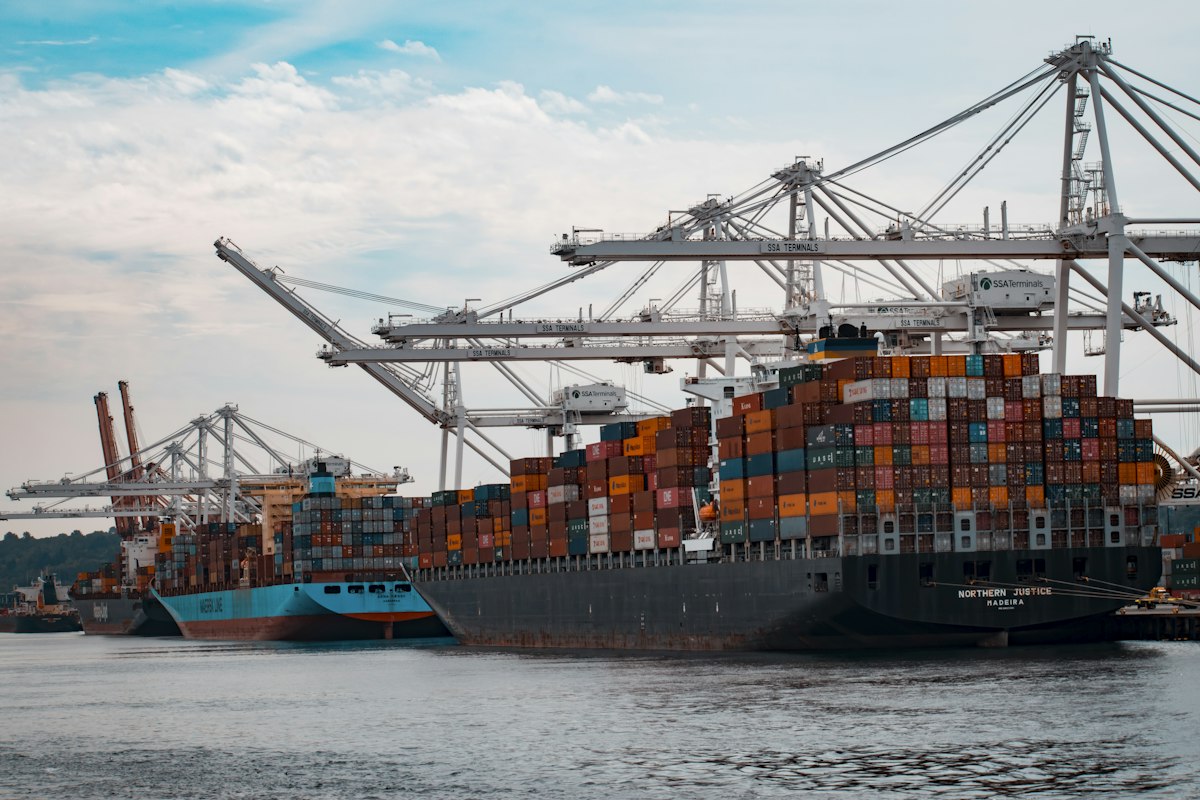
Air Freight vs Sea Freight: How to Choose the Right Option
One of the most common questions I get from new importers is: "Should I ship by air or sea?" The answer depends on several factors -and getting it wrong can cost you significantly in time, money, or both.
The Core Trade-Off: Speed vs Cost
At its simplest, air freight is fast and expensive; sea freight is slow and cheap. But the real decision is more nuanced than that. Here's a framework I use with my clients:
| Factor | Air Freight | Sea Freight |
|---|---|---|
| Transit Time | 1-7 days | 15-45 days |
| Cost per kg | High ($3-8/kg) | Low ($0.10-0.50/kg) |
| Min. Shipment | Any size | Typically 1+ CBM |
| Reliability | Very high | Subject to delays |
| Carbon Footprint | High | Lower |
| Best For | Urgent, high-value, light goods | Bulk, heavy, non-urgent goods |
When to Choose Air Freight
Air freight makes sense when:
- Your shipment is time-sensitive (product launch, stockout situation)
- The cargo is high-value relative to its weight (electronics, jewelry, pharmaceuticals)
- The shipment is small (under 200 kg or 1 CBM)
- You need predictable, reliable transit times
- The goods are perishable or have a short shelf life
When to Choose Sea Freight
Sea freight is the better choice when:
- You have 2+ CBM of cargo (LCL becomes cost-effective)
- You have a full container load (FCL is very cost-efficient)
- Transit time is flexible -you can plan 4-8 weeks ahead
- The cargo is heavy or bulky (furniture, machinery, raw materials)
- Cost optimization is the priority
The Break-Even Point
A useful rule of thumb: if your cargo value exceeds $100,000 per ton, air freight is usually worth considering. Below that, sea freight is typically more economical unless urgency demands otherwise.
For example, a 100 kg shipment of electronics worth $50,000 makes perfect sense via air. A 1,000 kg shipment of furniture worth $5,000 should almost certainly go by sea.
What About Express Courier?
For shipments under 50 kg, express courier services (DHL, FedEx, UPS) often beat both air freight and sea freight on total cost when you factor in customs clearance, handling, and delivery. They're also the simplest option for first-time importers.
My Recommendation
Start with sea freight if you can plan ahead. The cost savings are substantial, and with good planning, transit times are predictable. Use air freight as a premium option for urgent restocks or high-value goods. Build your supply chain around sea freight and keep air freight as your emergency option.
Need help deciding?
Tell me about your cargo and I'll recommend the best shipping method for your specific situation.
Ask Alex